Café-Style Shutters for UK Period Properties: Suppliers, Styles and Ideas
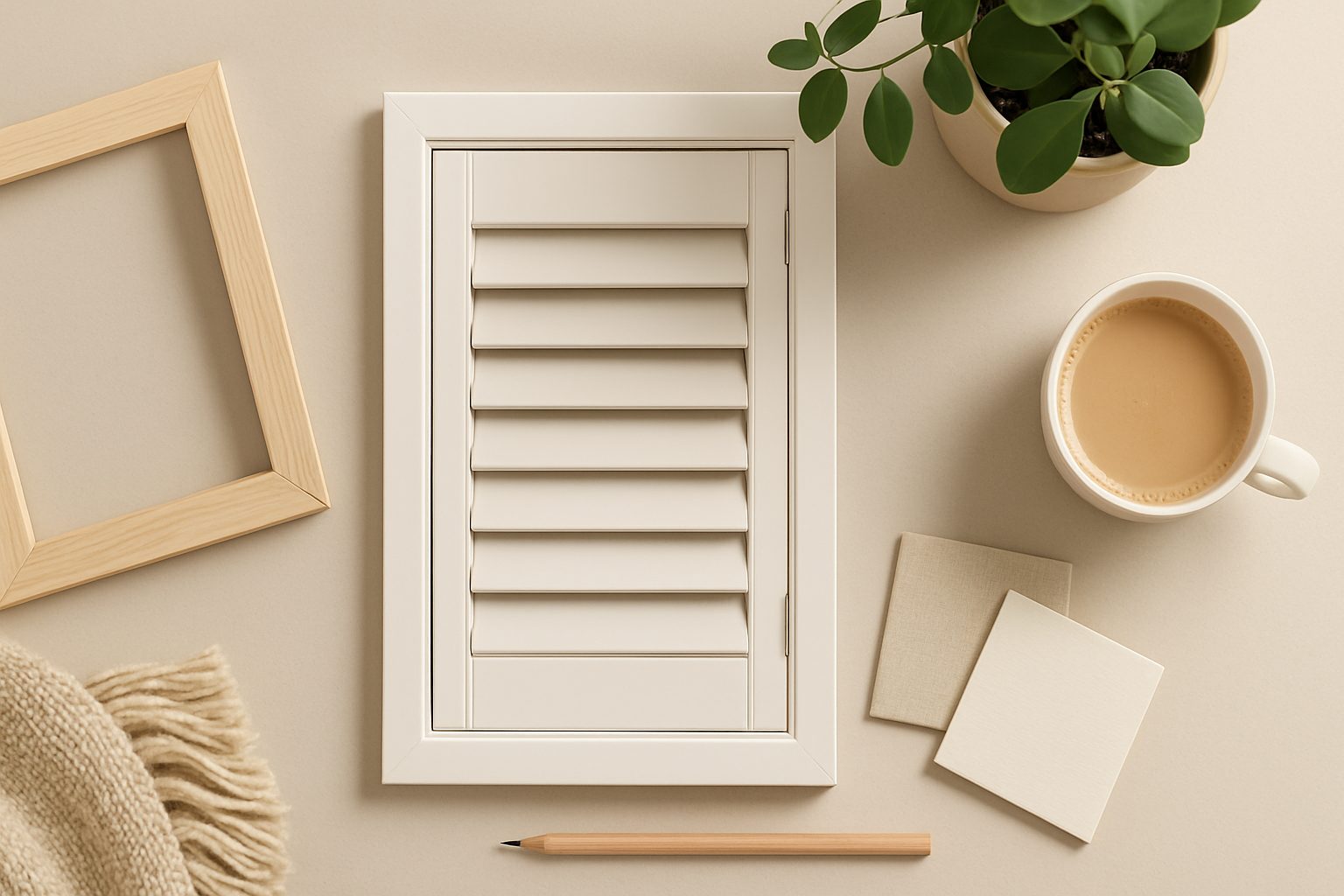
Café-style shutters—also known as half-height or café shutters—are making a genuine comeback in period-property restorations across the UK. Unlike full-height shutters that cover the entire window, café shutters cover only the lower half, leaving the upper panes open to light and views. For Victorian terraces, Edwardian townhouses, and similar period homes, they solve a specific problem: how to gain privacy at street level without sacrificing the architectural character that makes these properties valuable.
This guide explains what café shutters are, why they work so well in period properties, and the realistic options for sourcing and fitting them.
Why Café Shutters Suit Period Properties
Period properties—particularly Victorian and Edwardian terraces—were originally built with shutters in mind. The proportions of sash windows, the ceiling heights, and the room layouts all accommodated them. Café shutters restore this historical accuracy without the visual heaviness of full-height shutters, which can overwhelm smaller rooms or modern living spaces within period walls.
The practical benefit is equally strong. Ground-floor bedrooms and sitting rooms in terraced houses often sit a few feet from the pavement. Café shutters provide privacy from street-facing pedestrians while preserving views of rooftops, gardens, and sky—critical for maintaining daylight in properties where windows are the only source of natural light. They also add thermal mass to windows, helping with draughts, which is particularly useful in period homes with single-glazed sash windows.
Historically, café shutters appeared in townhouse salons and dining rooms where residents wanted partial privacy without cutting off natural light entirely. Reviving them acknowledges this history rather than imposing a modern solution.
Materials and Style Options
The shutters you'll find today fall broadly into three categories.
Solid hardwood. Bespoke wooden shutters from specialist makers offer the most authentic finish and longest lifespan. Oak, walnut, and mahogany are traditional choices; pine is period-appropriate and more affordable. Hardwood shutters integrate well with original joinery and can be stained or painted to match skirting boards or windows. The downside: they're expensive (typically £800–£2,500 per window including fitting) and require occasional maintenance—repainting every 5–7 years if exposed to weather.
Engineered timber and MDF. Increasingly, UK suppliers offer café shutters in high-density MDF or engineered timber. These materials are stable, paintable, and considerably cheaper than solid wood—expect £200–£800 per window. They're less vulnerable to warping than softwood in fluctuating UK humidity. Most are delivered flat-pack for home fitting, making them an attractive option if you're comfortable with assembly.
Hybrid options. Some makers use solid-wood frames with MDF panels, balancing cost and durability. This often represents good value for period properties where authenticity matters but budgets are tight.
All three can be painted to period-appropriate colours—heritage greys, soft blacks, or period whites—or left natural. The louvre angle (typically 45 degrees) should match your windows' proportions; narrower louvres suit smaller panes.
Suppliers and Where to Buy
Specialist shutter makers. Companies like Wooden Shutters UK, Shutterly Fabulous, and Apex Shutters offer bespoke hardwood café shutters designed for period properties. Many provide site surveys and custom sizing. Expect to pay for expertise, but these suppliers understand sash windows and heritage constraints.
Mass-market retailers. John Lewis, Dunelm, and similar chains stock basic café shutters in MDF, mostly designed for modern apertures. They're budget-friendly (£150–£400 per window) but often arrive undersized or oversized relative to period-property windows, which vary considerably in dimension.
Amazon UK MDF kits. A genuinely useful option that shouldn't be overlooked. Kits from sellers including Crows Hill and Shutterly offer half-height shutters in flat-pack MDF, typically £200–£400 per window. Quality is variable—read reviews carefully—but several reliable sellers stock café-shutter kits with adjustable louvres and straightforward assembly instructions. These work well if your window openings are standard or near-standard sizes. Highly non-standard period windows may need custom options instead.
DIY and custom build. If you're handy with wood, sourcing MDF sheets and louvre slats from trade suppliers like Screwfix or Toolstation and building shutters yourself is viable for a single window or two. Expect to spend £80–£150 in materials and invest several hours per shutter in assembly and painting.
Installation Considerations
Period properties present specific challenges. Sash windows often sit within wooden reveals or architraves that weren't designed for internal shutters; café shutters need careful fitting to avoid blocking sashes or damaging original joinery. Many period homes also have uneven walls, which can make achieving a flush fit difficult.
Professional fitting (typically £100–£300 per window) ensures shutters operate smoothly and don't compromise the window mechanism. If you're fitting MDF kits yourself, allow time for adjustments; louvres may bind slightly until painted surfaces settle.
For listed properties or conservation areas, check with your local planning authority beforehand. While café shutters rarely trigger objections (they're reversible and historically appropriate), it's worth confirming.
Maintenance and Longevity
Hardwood shutters last 20+ years with occasional repainting. MDF shutters typically perform well for 10–15 years before panels begin to sag or louvres stick, depending on humidity and exposure. Both benefit from annual checks: tightening hinges, clearing dust from louvres, and touching up paint on edges exposed to weather.
Café shutters for period properties are neither nostalgic affectation nor modern gimmick—they solve genuine problems of privacy and light in homes where both matter. Whether you choose bespoke hardwood or an Amazon UK MDF kit depends on your budget, the window's complexity, and how visible the shutters will be. For Victorian terraces in particular, they repay the investment by working with the building's original logic rather than against it.
For full-height options or sash-window-specific considerations, see our guide to sash-window shutters for period properties.
More options
- MDF Plantation Shutter Panels – Amazon UK (Amazon UK)
- PVC Waterproof Shutter Panels – Amazon UK (Amazon UK)
- DIY Interior Shutter Kit – Amazon UK (Amazon UK)
- Venetian Blinds (Comparison Alternative) – Amazon UK (Amazon UK)
- Shutter Fitting & Measuring Tools Bundle – Amazon UK (Amazon UK)